
With electricity costs rising across Australia, it is natural to question every appliance in your home. We have redone the numbers using realistic 2026 figures to give you a transparent look at what a heated towel rail actually costs to run in the average Australian home.
How much electricity does a heated towel rail use?
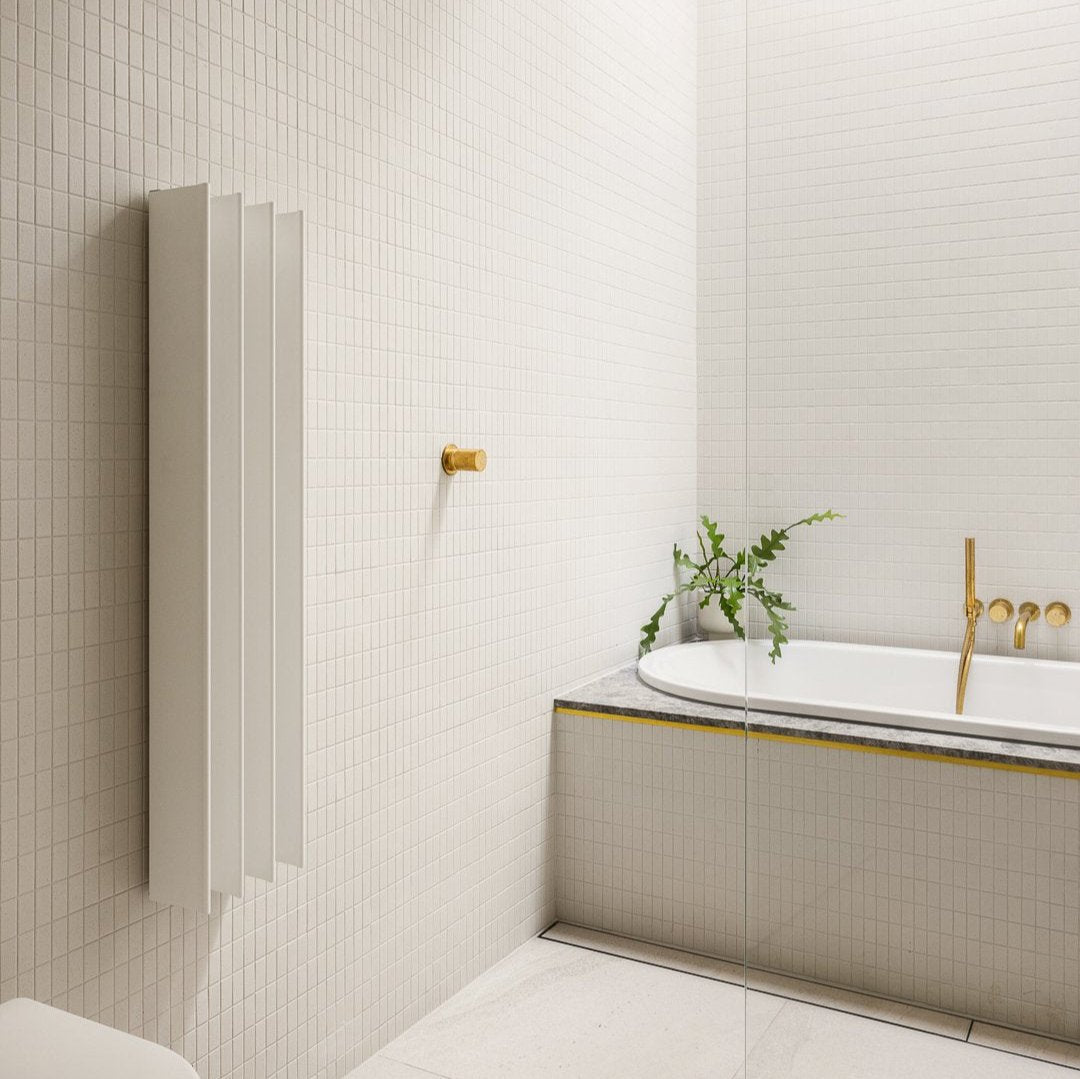
Most electric heated towel rails run between 100W and 200W. A split system air conditioner runs at 1,500W to 3,500W. A clothes dryer sits at around 4,000W. At 200W, a heated towel rail is roughly equivalent to leaving a couple of light bulbs on. The Gordon heated towel rail runs at exactly 200W, efficient for its output and drying speed.
So what does it cost to run in 2026?
At 40 cents per kWh:
- 1 hour of use costs $0.08
- 4 hours a day costs $0.32 per day, or $2.24 per week
Why did we choose 4 hours? Most households do not need their towel rail running all day. Turning your heated towel rack on two hours before your shower in the morning to heat up the towels, and two hours after your shower to dry your towels is enough.
Does design affect running costs?
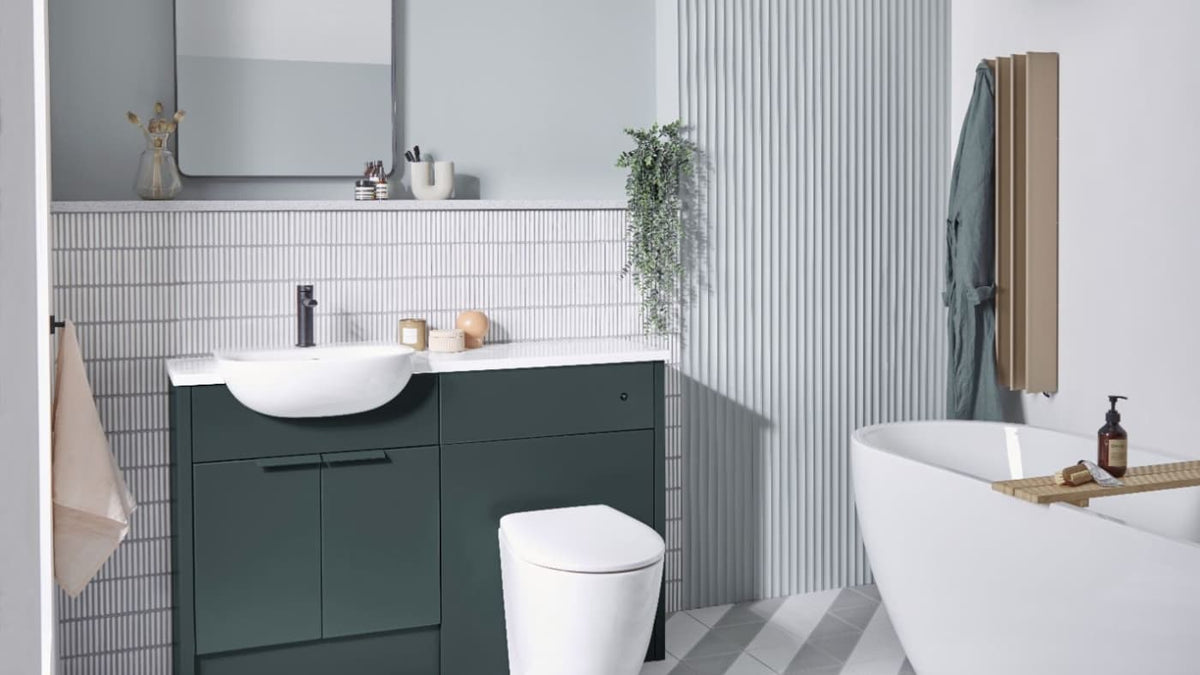
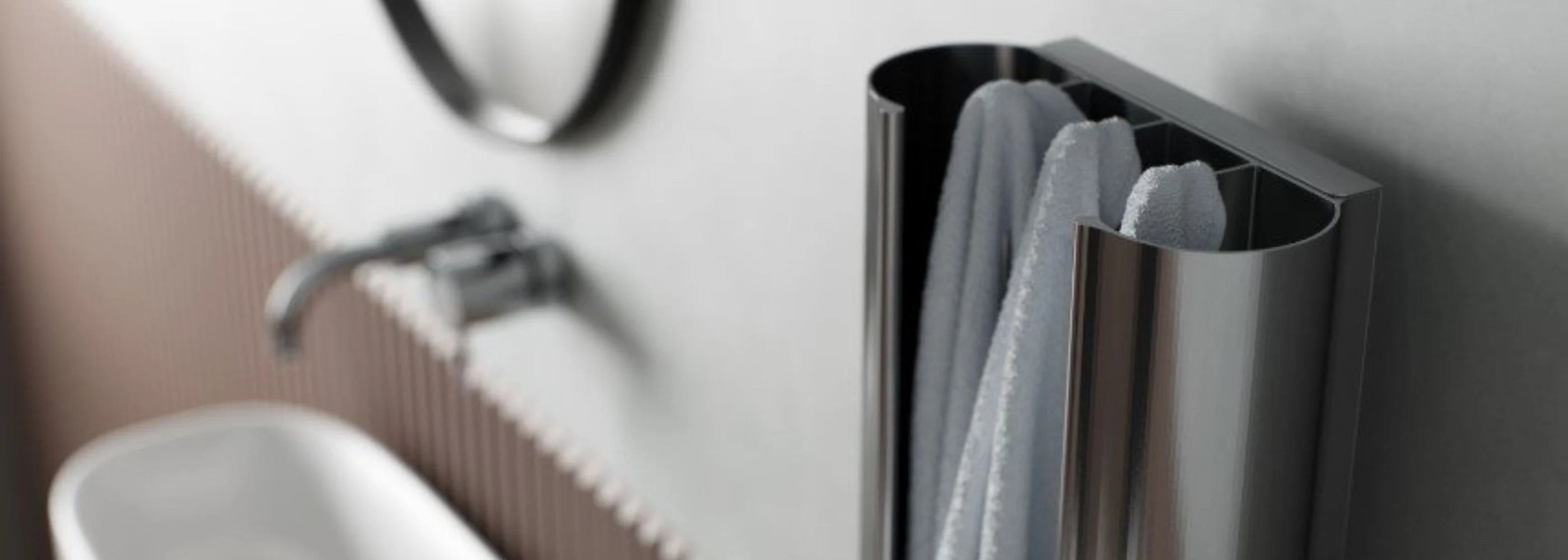
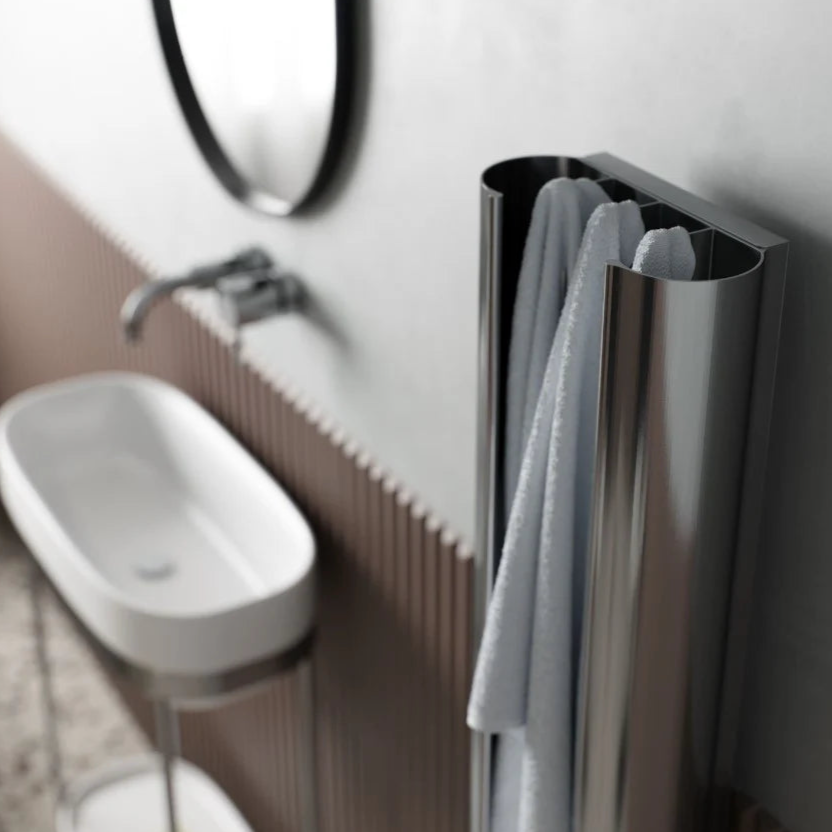
Yes. Traditional ladder-style rails trap air under towels, slowing drying and increasing run time. Our gordon and loop towel racks uses a vertical fin design that keeps air circulating freely, drying towels faster. Independent testing shows it dries towels in roughly one-third the time of a standard horizontal rail. Less time running means lower costs.
How to reduce electricity use further
A programmable timer is the simplest way to control costs. The Clipsal Iconic Wiser and Infinite Automation 10A smart switch both pair well with Eko Heat Towel Rails and let you schedule heating around your routine. You can even pair your mobile phone for remote control use.
The bottom line
Running a 200W rail on a timer for 3 to 4 hours a day puts your monthly cost at around $7 to $10. For a bathroom that stays dry, warm and mould-free, the numbers stack up.
See the full specs on the Gordon product page.