
If you live in Queensland, the Northern Territory, or anywhere along Australia's tropical north, you already know the frustration. It's 30 degrees outside, your towel has been hanging for hours, and it still feels damp. Humidity is the reason.
Why humid weather makes drying towels so difficult
Drying works by moving moisture from a wet surface into the air. The problem is humid air is already saturated with moisture. There's simply nowhere for the water to go. In high humidity, your towel is not just drying slowly. In extreme conditions, it can actually absorb moisture from the air (gross).
A damp towel left on a standard towel rail or hook in a humid bathroom is a mould factory. Bacteria builds up, towels start to smell quicker, and if you or anyone in your household has asthma or respiratory sensitivities, that matters.
What can you do to help?
There are a few options people reach for:
- A clothes dryer: They work, but with a lot of effort. They run hot, use a lot of energy, and can wear out your towels quicker. They're also expensive to purchase, take up quite a bit of space, and let's be honest, no-one wants to do extra loads of washing. Not a great daily solution.
- A dehumidifier: Dehumidifiers are great. They remove moisture from the air which helps. But they can be bulky, noisy, and need regular maintenance, and they don't solve the problem of wet towels.
-
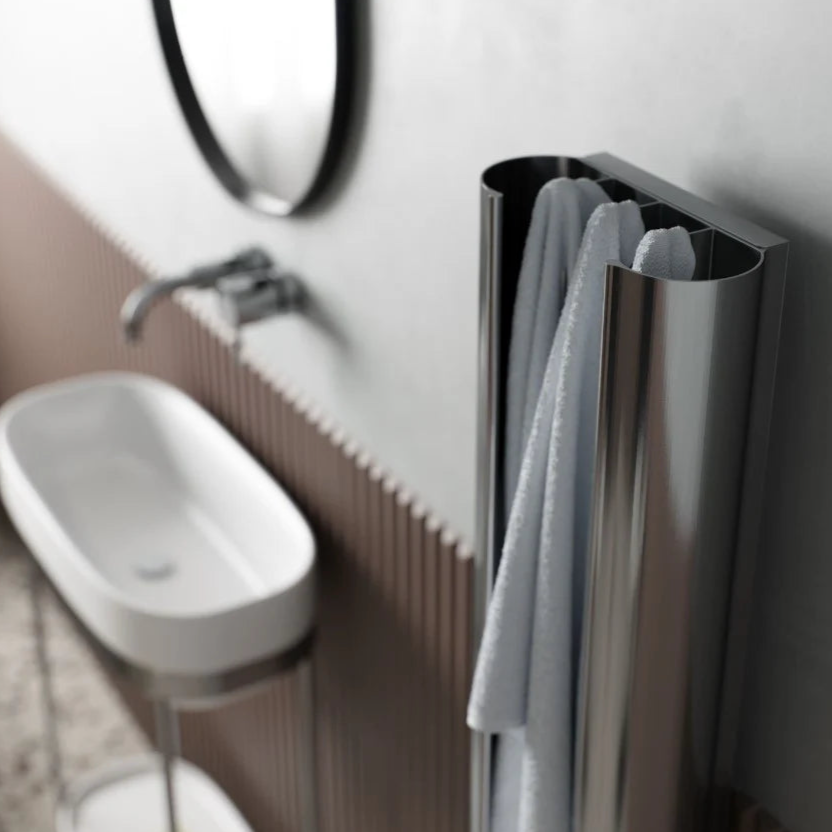
An electric heated towel rail: the most practical fix for a modern bathroom. Electric ones run at low wattage, sits flush on the wall (no floor space taken up), makes no noise, and works constantly without any input from you. At 200W, the Gordon heated towel rail costs roughly $0.05 to $0.08 per hour to run. Leave it on for 8 hours and you're spending less than 65 cents. That's a running cost most households barely notice.
How much does a heated towel rail cost to run?
At 200W and average Australian electricity rates of around $0.30 per kWh, a heated towel rail costs roughly $0.06 per hour to run. Over an 8-hour day that's about $0.48, or around $3.36 per week. Run it on a timer for 4 to 5 hours and you're looking at closer to $1.50 to $2.00 per week. For a bathroom that stays drier, smells better, and grows less mould, that's a reasonable trade.
Why airflow design matters in humid conditions
Not all heated towel rails handle humidity equally. Traditional ladder-style rails trap a pocket of damp air underneath the towel. The towel drapes over a bar, the air around it stagnates, and drying slows right down.
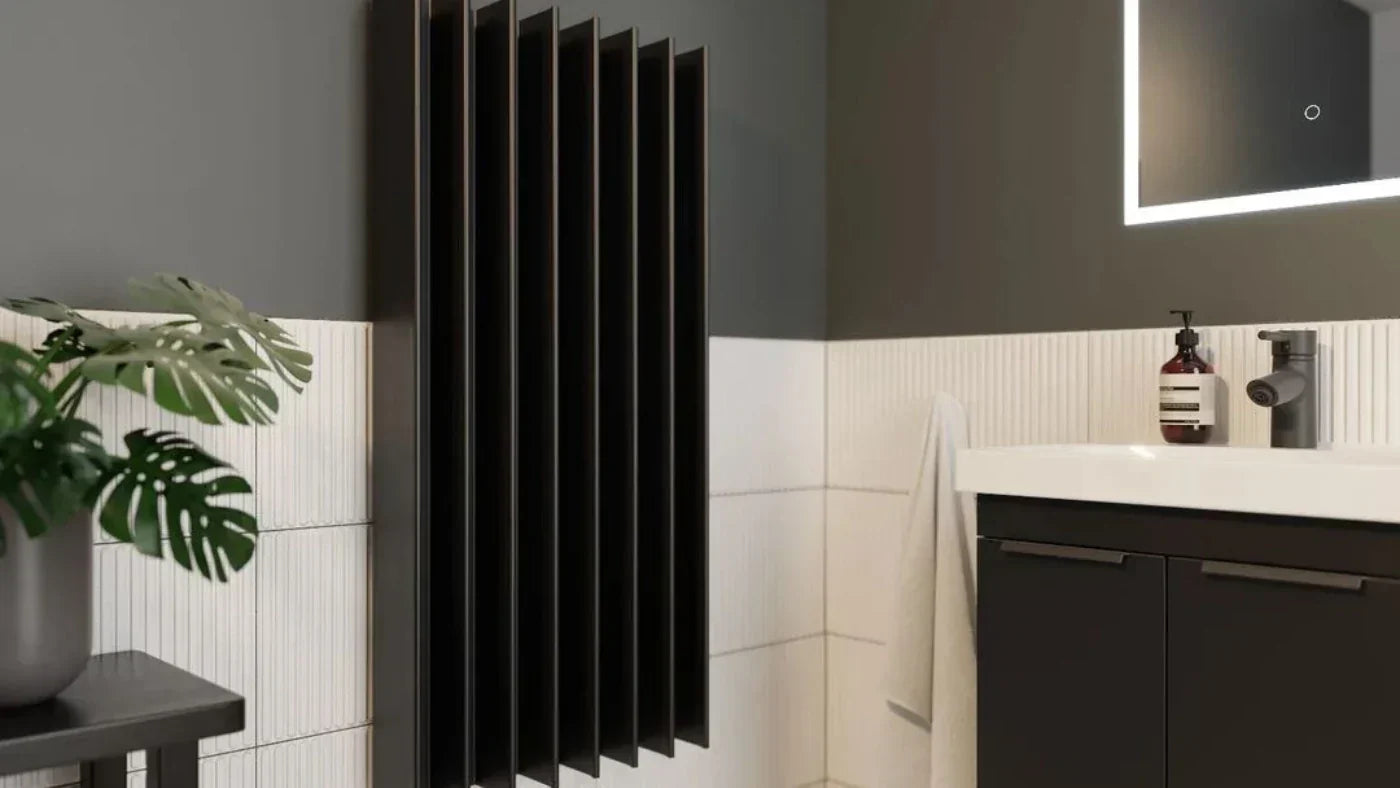
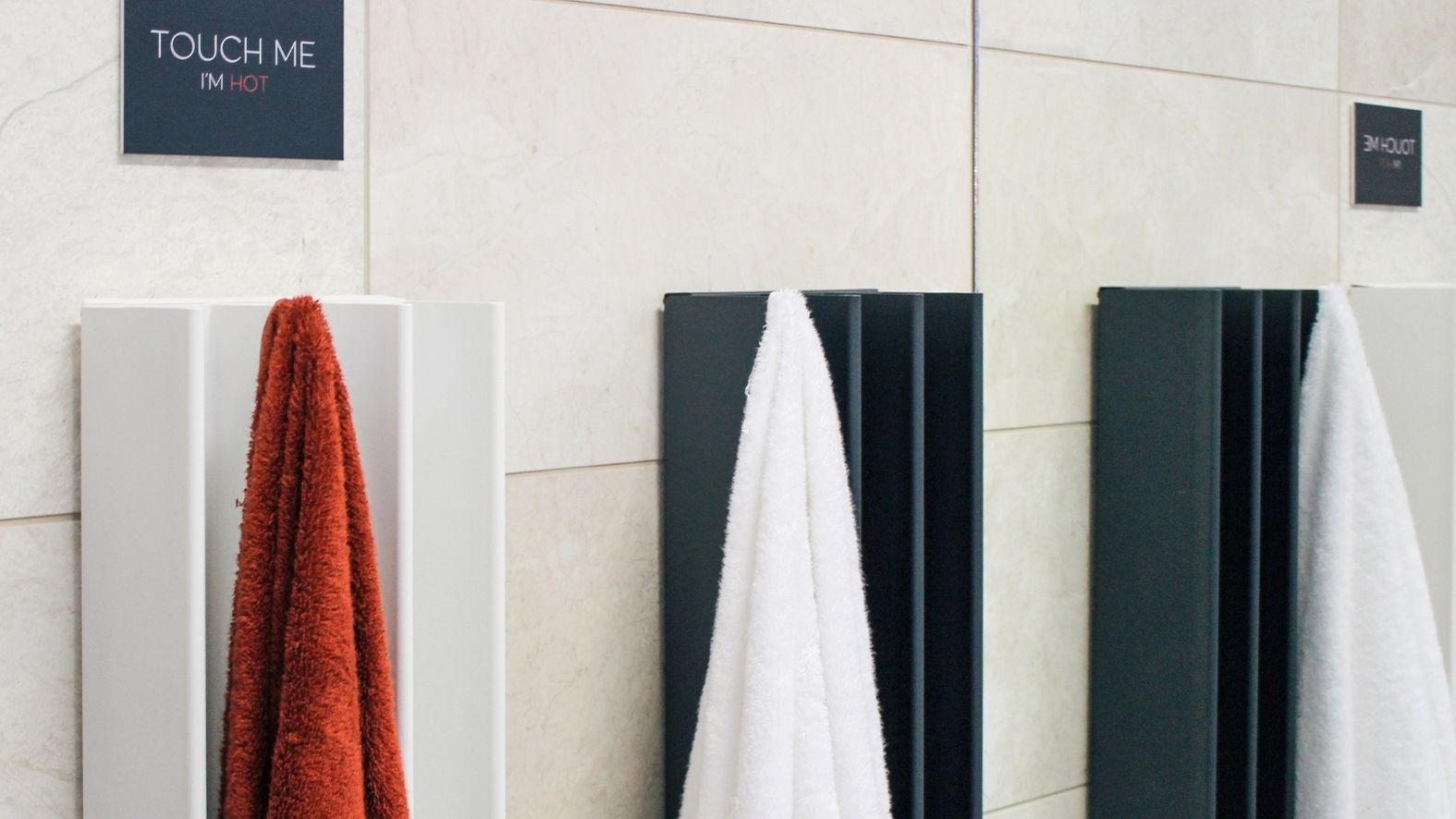
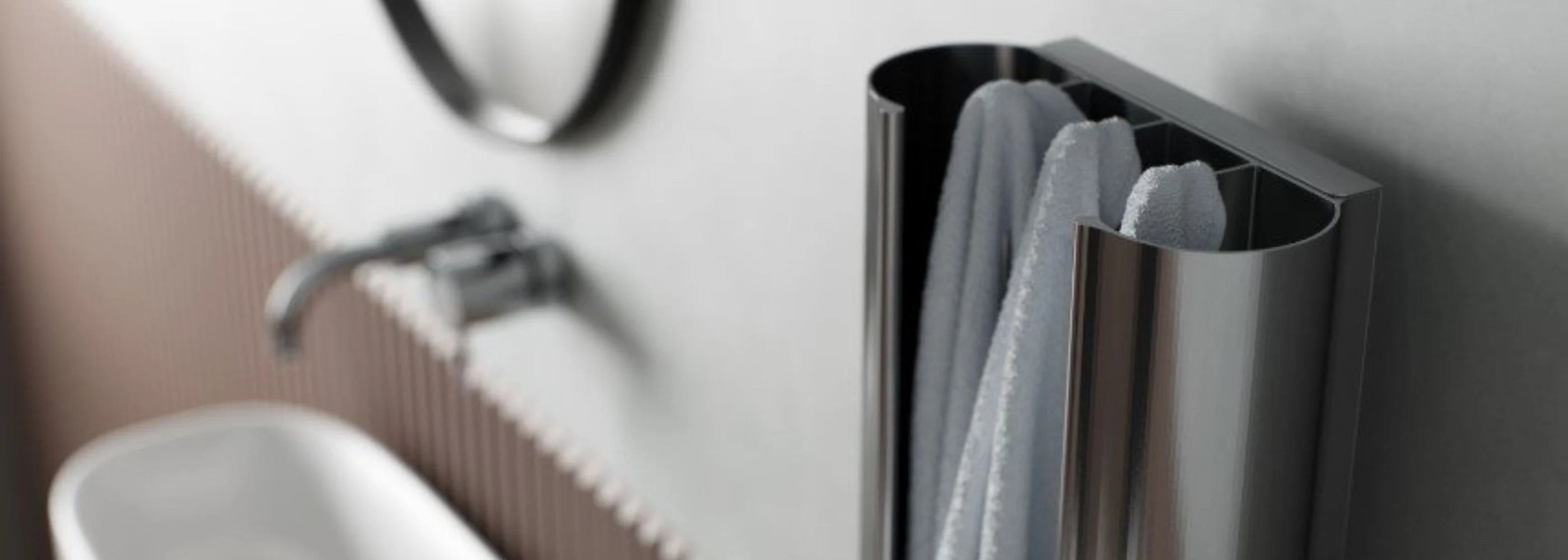
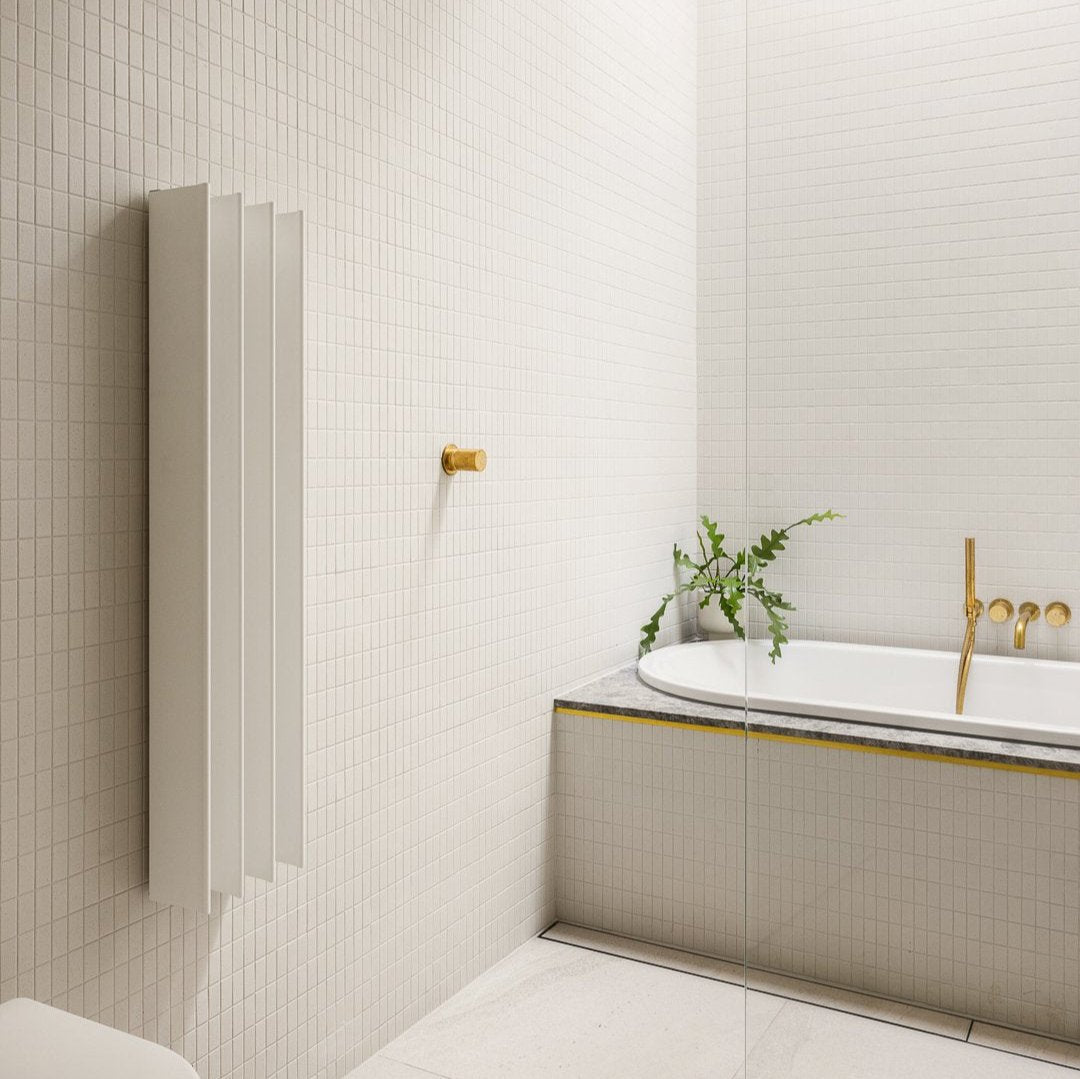
The Gordon is designed differently. Its vertical fin design keeps air moving freely around the towel, drawing humid air out from underneath and replacing it with drier air continuously. That circulation is what makes the difference in high-humidity conditions. Independent testing shows it reaches operating temperature and dries towels in roughly one-third the time of a traditional ladder-style rail.
A few extra tips for humid bathrooms
Run your exhaust fan for at least 20 minutes after every shower, not just during. Moisture lingers long after the water stops. Wash towels at least once a week in humid climates, and skip fabric softener. It coats the fibres and makes towels hold onto moisture longer. Lighter, less absorbent towels also dry faster if you're in a particularly brutal climate.
The bottom line
Humid weather requires active drying, not passive hanging. A heated towel rail is the lowest-effort, lowest-running-cost solution for keeping towels dry, fresh, and mould-free year round. If you're dealing with persistent humidity, the design of the rail matters as much as the heat it produces.
The Gordon heated towel rail is built for exactly this. UK-made, 200W, and designed to move air rather than just heat it.